

The Surprising Psychology Behind Gambling Habits
The Allure of Risk and Reward
The human brain is inherently drawn to the concept of risk and reward, a fundamental aspect that plays a pivotal role in gambling behavior. The thrill of taking chances can evoke powerful emotions, often surpassing that of simple entertainment. This attraction to high-stakes situations is deeply rooted in our psychology, tapping into our inherent desire for excitement and unpredictability.
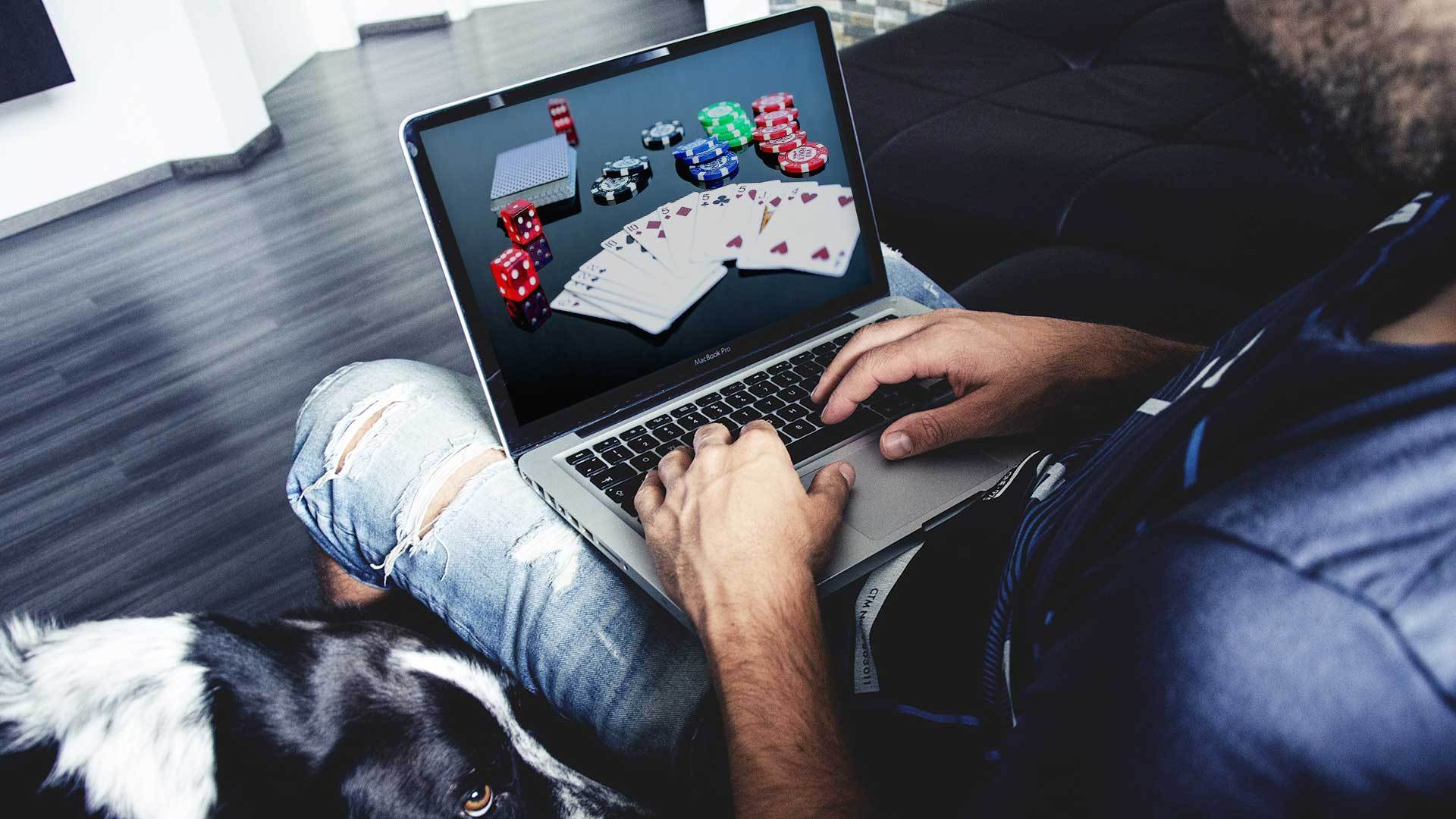
When individuals engage in gambling activities, they often encounter a mix of anxiety and exhilaration. This potent combination can lead to a release of dopamine, the same neurotransmitter that encourages pleasurable feelings in various rewarding scenarios. Therefore, each bet placed is not merely a financial decision; it’s an emotional experience that can be addictive, allowing players to chase that initial high repeatedly. Many people find themselves drawn to engaging websites like click96 for their gambling needs.
The Role of Cognitive Biases
Cognitive biases significantly influence how gamblers perceive their odds and outcomes. One noteworthy bias is the “gambler’s fallacy,” where individuals believe that past events will affect future outcomes. For instance, after a series of losses, a gambler might feel that they are “due” for a win, leading them to continue betting in hopes of a favorable turn of events. This misjudgment often perpetuates a cycle of gambling, trapping individuals in a harmful mindset.
Moreover, the illusion of control plays a crucial role in gambling habits. Many gamblers cultivate a false sense of mastery over games of chance, such as poker or blackjack, believing that their skills can influence the results. This perception can intensify their engagement with gambling, making it hard for them to walk away even when faced with significant losses. Such cognitive distortions highlight the complex interplay between psychology and gambling, leading individuals to make irrational choices.
The Impact of Social Environment
Gambling is frequently depicted in popular culture — from movies to television shows — where it is associated with glamour, excitement, and social acceptance. This portrayal can contribute to a heightened desire to gamble, as people may want to emulate what they perceive as a thrilling lifestyle. Being surrounded by friends or a community that endorses gambling can create a sense of belonging, further solidifying the habit.
Additionally, peer pressure is a significant factor in gambling behaviors. Often, individuals may find themselves participating in gambling activities simply to fit in or prove themselves. This social dynamic can lead to an escalation in gambling frequency and stakes, embedding the habit deeper into their lives. The intertwining of social connections with gambling can create both positive and negative reinforcement, impacting an individual’s relationship with betting over time.
Understanding Responsible Gambling
Responsible gambling emphasizes the importance of awareness and choice. It encourages individuals to understand their limits and approach gambling as a form of entertainment rather than a way to make money. Educational initiatives aim to provide tools and resources to help gamblers identify unhealthy patterns and make informed decisions about their gambling habits.

Our website serves as a valuable resource for those seeking to understand more about gambling psychology and responsible practices. We offer insights and strategies to promote a balanced approach to gambling, ensuring that individuals can enjoy the thrill without compromising their well-being. Staying informed and educated is essential for fostering a healthier relationship with gambling and avoiding the potential pitfalls associated with excessive betting.